The Kintsugi Process
Kintsugi is a traditional Japanese method of repairing ceramics that has been practiced for centuries. It uses urushi lacquer—a natural material made from the sap of the lacquer tree, known for its strength and durability—to bond and restore broken pieces. Over time, this process became not only a practical method of repair, but a distinct craft in its own right.
Rather than discarding broken objects, kintsugi treats them as something worth preserving. The repair is intentionally visible, often highlighted with gold, and becomes part of the piece itself. In many cases, a repaired object is considered even more valuable than it was before it was broken—its history acknowledged rather than hidden.
Each repair is approached individually, depending on the object, the materials, and the way it has broken. While no two repairs are exactly the same, most follow a series of core stages that build gradually toward a durable and thoughtfully finished result.
Step 1
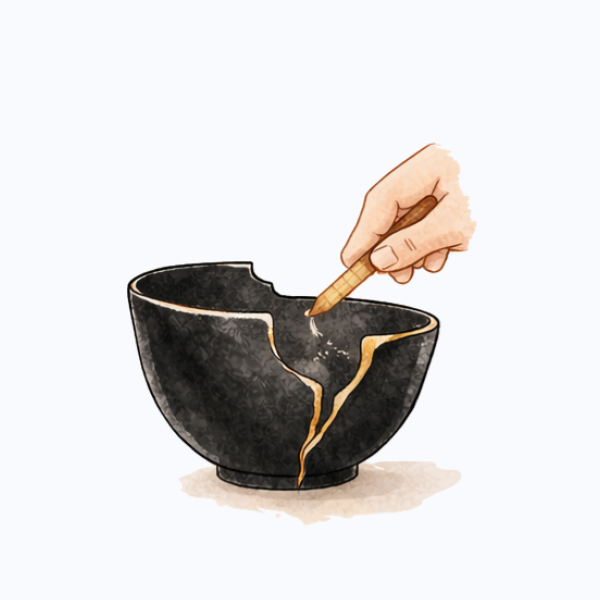
Mugi urushi • 麦漆
Broken fragments are carefully reassembled using mugi urushi, a mixture of lacquer and flour that forms a strong adhesive bond. The piece is then placed in a humidity-controlled environment to cure.
Step 2
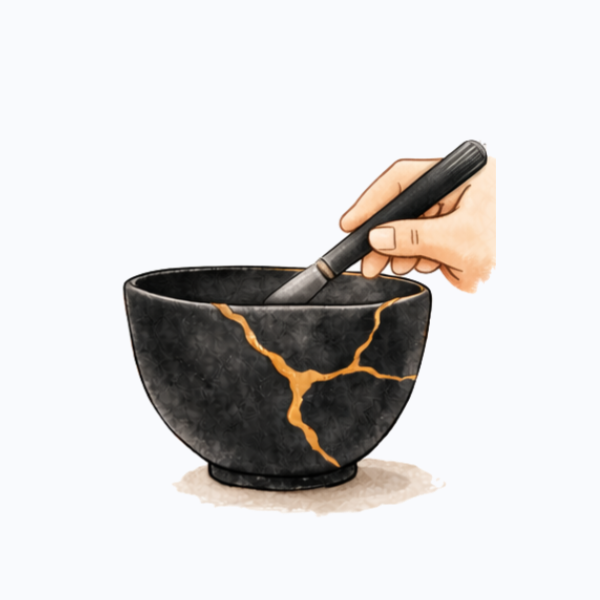
Sabi urushi • 錆漆
A paste of lacquer and fine clay powder is used to fill gaps and smooth the repaired seams. After curing, the surface is carefully shaped and refined.
Step 3
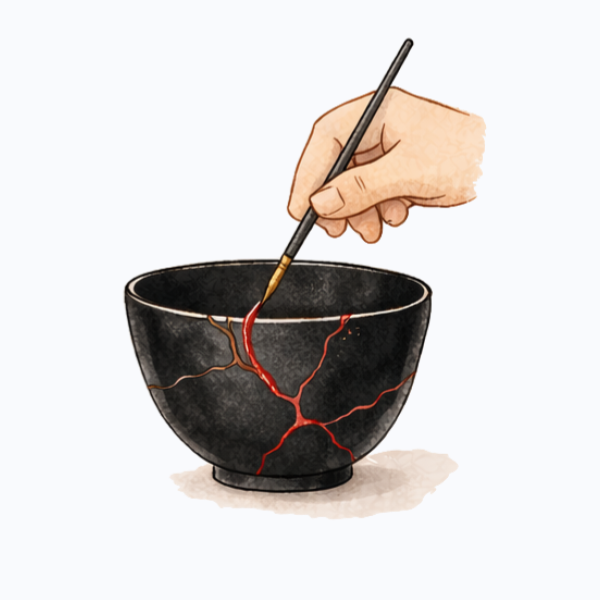
Urushi layers • 漆塗り
Several thin layers of urushi lacquer are applied along the repair line. Each layer must cure fully before the next is added, slowly building a smooth foundation for the final finish.
Step 4
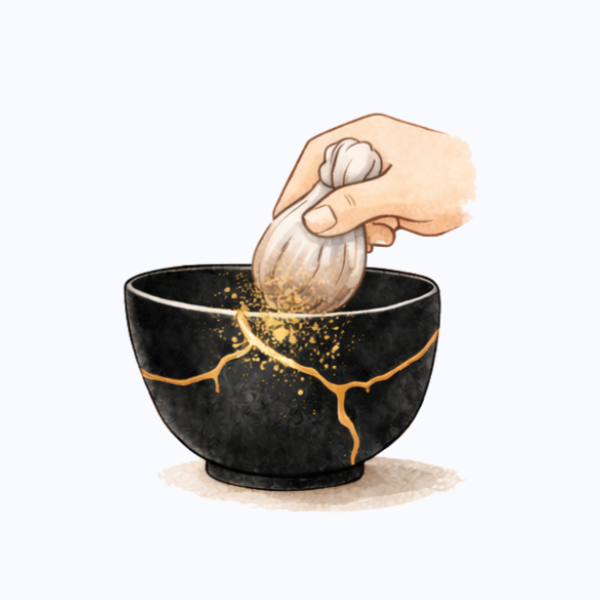
Gold application • 金蒔き
While the final lacquer layer is still slightly tacky, fine metal powder is gently applied. Gold is most traditional, though silver, brass, copper, or even colored lacquer finishes may also be used depending on the piece.
What to Expect
Every repair is a little different. Rather than fixed pricing, I approach each piece individually—considering the nature of the damage, the materials, and the time required to do the work properly.
The information below is meant to give you a general sense of how I think about repairs, materials, and timelines.
Pricing
Traditional kintsugi is a labor-intensive process, and even relatively simple repairs require many hours of work spread across multiple stages. As a general guideline, the smallest repairs begin at approximately $115, with costs increasing based on the complexity of the repair and the finishing materials selected. Precious metals (e.g., gold, silver) are priced separately.
Factors that influence cost include the number and size of breaks, the size of the overall piece, whether any pieces are missing, and the complexity and stages required for the repair.
Because every piece is unique, exact estimates are provided only when a repair is invited to move forward from the waitlist.
Timing
Traditional kintsugi is a slow process that requires multiple layers of urushi lacquer, each of which must cure fully before the next step can begin.
Because of this, repairs typically take approximately two to three months to complete once work begins. If your piece is intended for food or drink use, an additional curing period of about two months is required after the repair is finished.
I work on a limited number of repairs at a time, and new projects are often scheduled several months in advance. Joining the waitlist is the best way to be considered for a future repair.
Finishing Options
The final finish affects both the cost and overall appearance of the repair. Gold and silver finishes are measured and quoted per gram at the time of your project assessment, while bronze and copper are included in the base repair cost and offer a more accessible alternative with their own distinct character.
Gold and silver finishes, along with traditional urushi lacquer, are suitable for items intended for food or drink use, while all finishing options are available for decorative pieces. Each material also ages differently over time, and I’m happy to help you choose an option that best suits your piece.
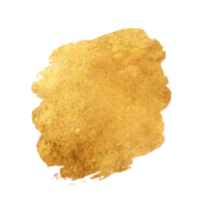
Gold
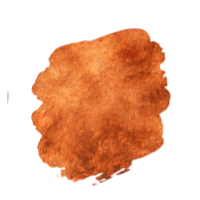
Copper
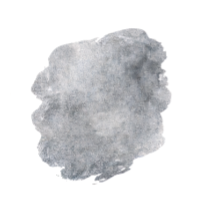
Silver
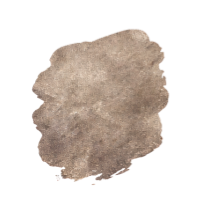
Bronze
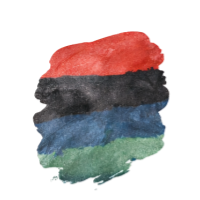
Colored Lacquer
Frequently Asked Questions
If you have a question that isn’t answered here, feel free to reach out. You can contact me at kinkuro.kintsugi@gmail.com.
About the Repair
-
Many ceramic objects can be repaired with kintsugi, but it depends on the material, the condition of the fragments, and the type of break. In some cases, repairs may not be structurally possible. Photos help determine whether a piece is a good candidate for repair.
-
Ideally, yes. Having all the fragments makes it easier to restore the piece accurately. However, small missing areas can sometimes be reconstructed during the repair process.
-
When done with traditional urushi lacquer, kintsugi repairs can be very durable. While repaired pieces should still be handled with care, they are often strong enough for normal display and gentle use.
-
Kintsugi does not hide the break. Instead, it highlights the repair as part of the object’s story. Each repair is unique, and the finished result reflects the character of the piece and the nature of the break.
Care & Use
-
Repaired ceramics should be hand washed gently with mild soap and a soft sponge. Avoid dishwashers, microwaves, and abrasive scrubbers.
-
In some cases, yes. However, pieces intended for food or drink require additional 2 months of curing time to ensure the lacquer is fully hardened.
-
No. High heat and strong detergents can damage the lacquer and metal finish.
-
Short contact with water is fine, but prolonged soaking should be avoided.
Materials & Safety
-
Urushi is a natural lacquer made from the sap of the urushi tree. It has been used in Japanese craft traditions for centuries and forms an extremely strong and durable bond when cured.
-
In its raw form, urushi can cause skin irritation similar to poison ivy. During the repair process I work carefully with the material to avoid exposure, and once the lacquer has fully cured it becomes stable and safe to handle.
-
Gold is the most traditional finish, though silver, bronze, and copper are also commonly used. In some cases, colored lacquer finishes may be used instead of metal powder.
-
Gold and silver powders are measured and quoted by weight due to their prices. Bronze and copper finishes are included in the base repair price.
Logistics
-
Because each stage of the process must cure before the next can begin, most repairs take two to three months to complete. Pieces intended for food or drink use require an additional curing period before they are ready to use
-
I am based in St. Johns in Portland, Oregon, and currently work with clients locally in the Portland area.
-
At this time I am not accepting mail-in repairs. Repairs are currently limited to local clients in the Portland area.
-
Once we’ve confirmed that a piece is suitable for repair, we can arrange a time and method for drop-off. Details are coordinated individually depending on the project.
If you have a piece you care about, I'd love to hear its story and see whether it might be a good candidate for repair.