About Me
I (Kellie) have happily called Portland “home” for nearly eight years now, but I originally grew up on the south shore of Long Island, New York. After college, I began my career in publishing, focusing on ESL (English as a Second Language) books.
That path eventually led my partner and me to Japan, where we were accepted into the JET Program—an initiative that places native English speakers in schools to support language education and foster intercultural exchange.
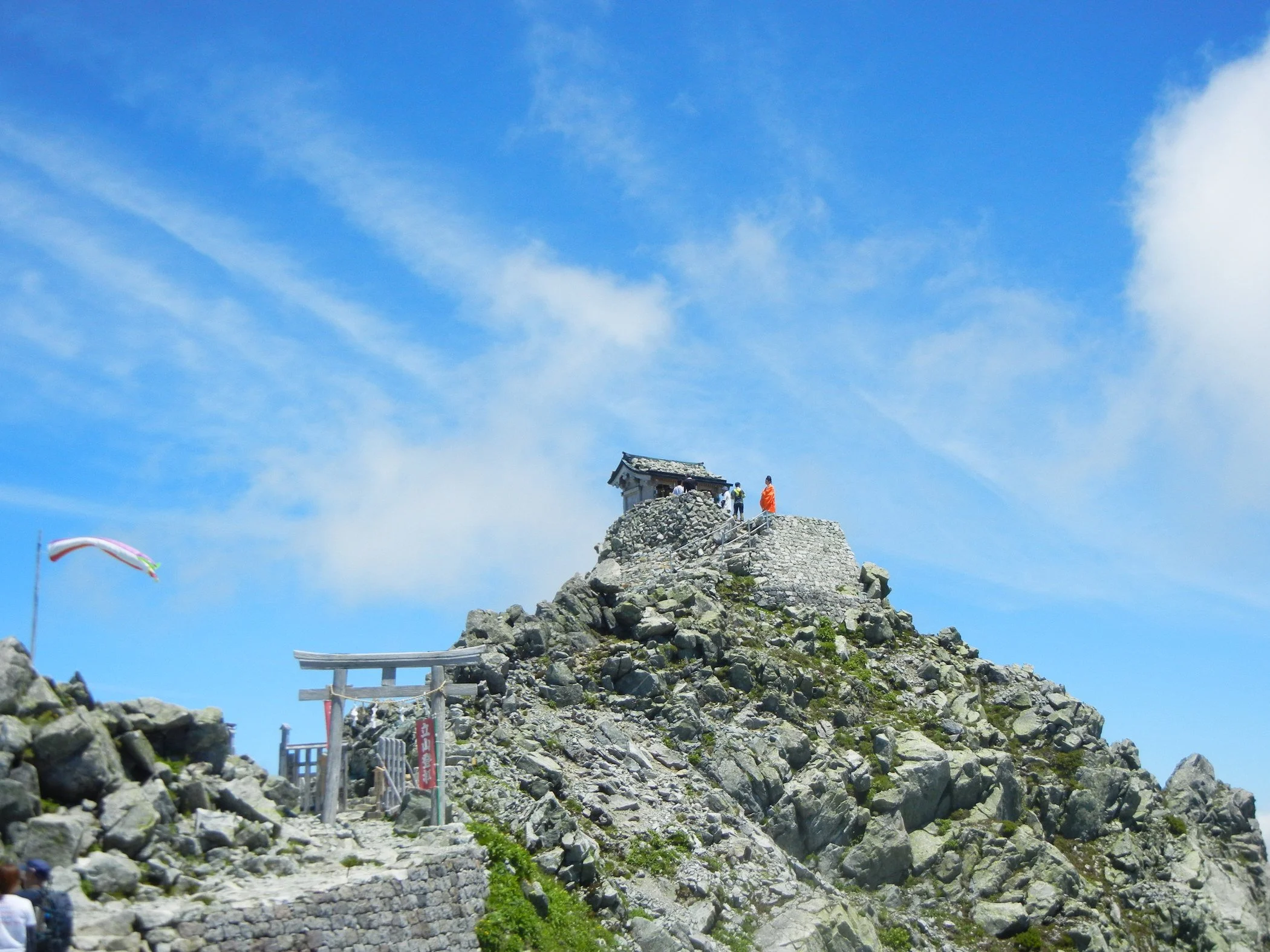
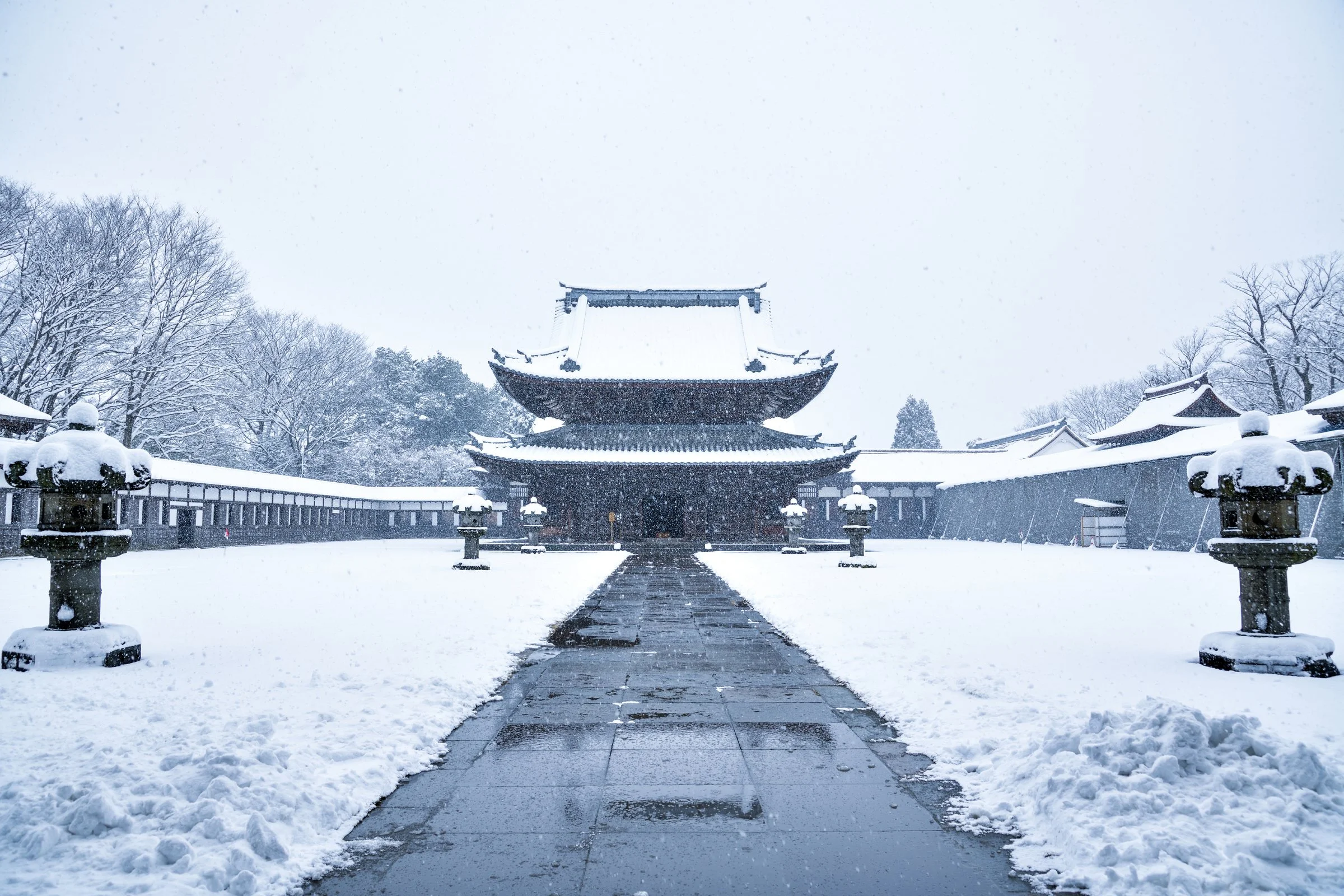
I spent my mid-20s living in Toyama, a quiet prefecture on the Sea of Japan, nestled against the Japanese Alps. During that time, I was first introduced to the art of kintsugi. I loved learning the intricacies of the art, and practiced for a short time, but it eventually fell out of my life.
It’s funny how you don’t always realize in the moment what will stay with you—how something you encounter in one part of your life can return later with a different kind of meaning. My time in Japan left a lasting impression on me, and one of the things I value most about cultural exchange is that it’s never one-sided. I went there to teach, but I was constantly learning in return.
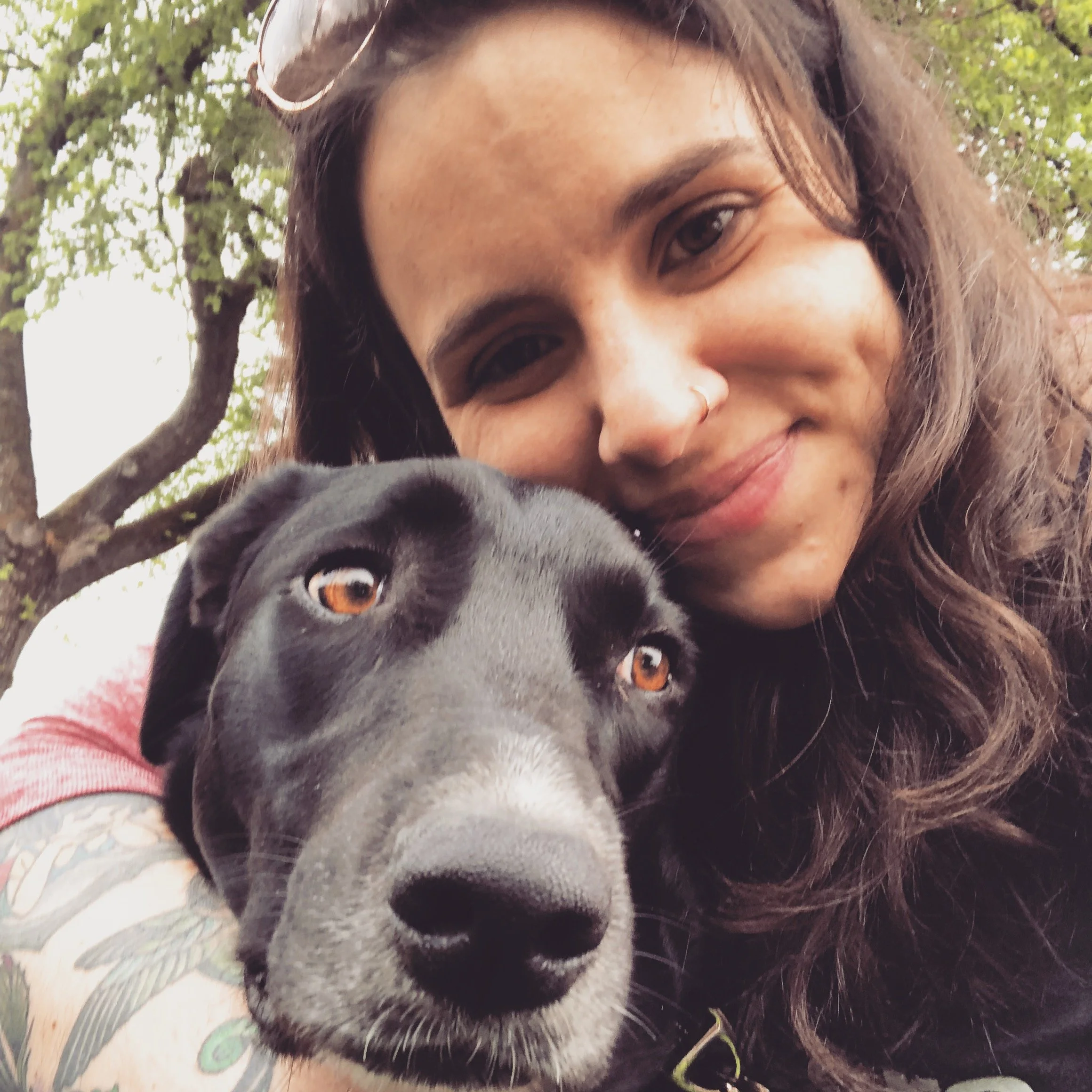
Years later, after returning to the Pacific Northwest, kintsugi found its way back to me. I volunteer at the Portland Japanese Garden, which does an extraordinary job curating thoughtful and meaningful exhibitions. A few years ago, the garden hosted an exhibit dedicated entirely to kintsugi. That experience stayed with me—it brought back memories of learning the technique years earlier and made me realize how much I wanted to return to it.
That was the push I needed. I sought out traditional training, recommitted myself to learning the process in depth, and have been practicing kintsugi as a dedicated craft ever since.
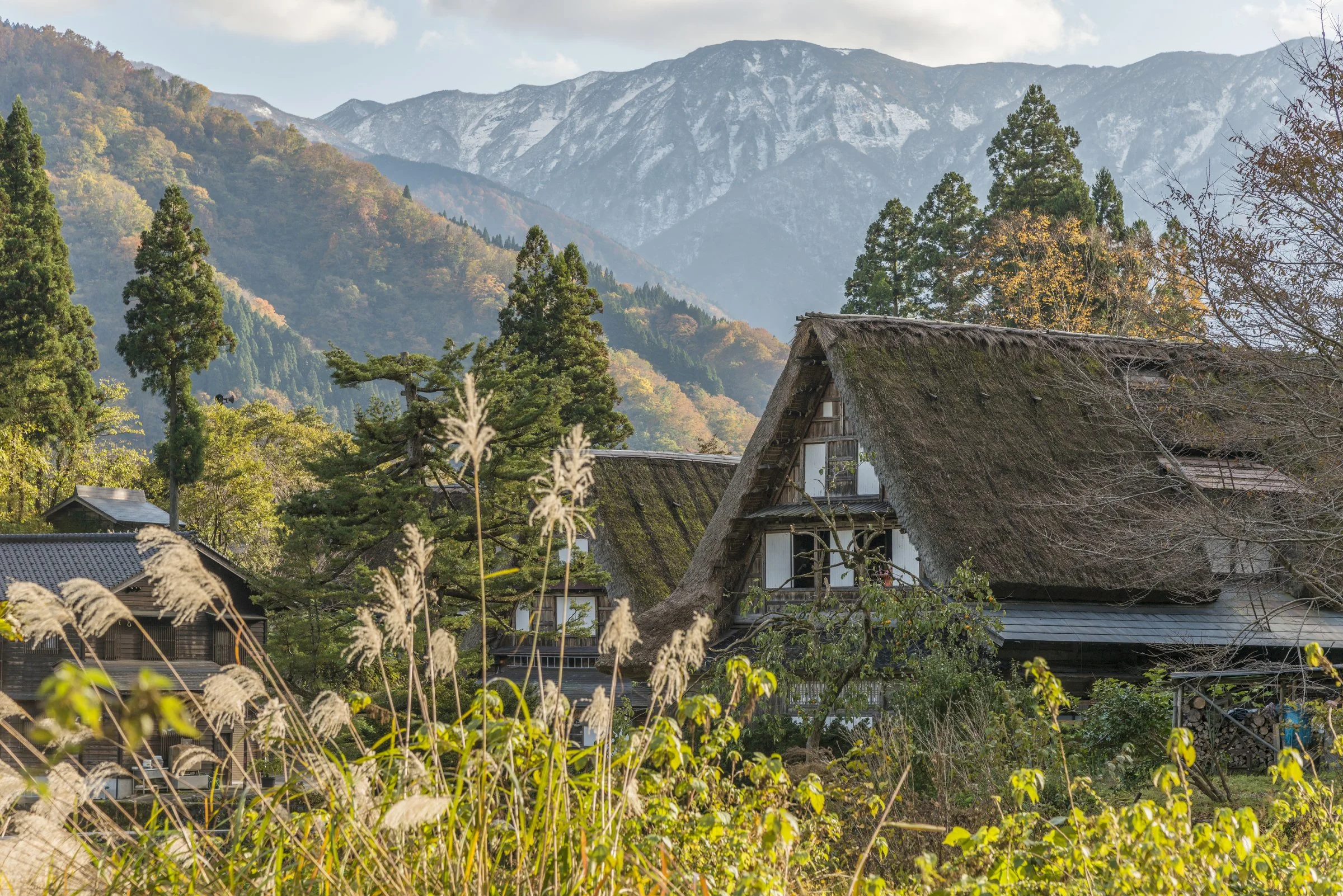
Gassho Houses, Gokayama
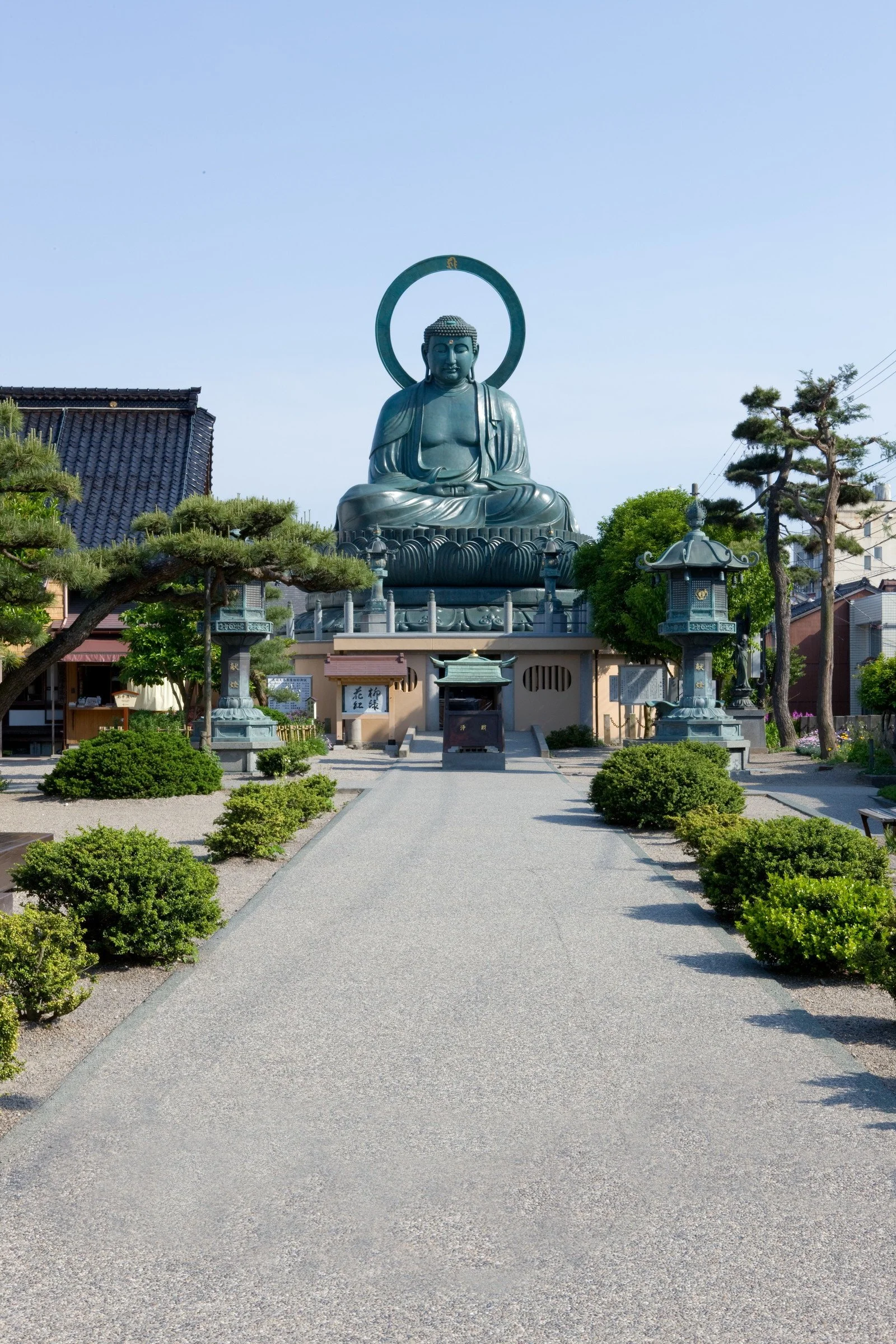
Daibutsu, Takaoka
Zuiryuji Temple, Takaoka
Oyama Shrine, Tateyama
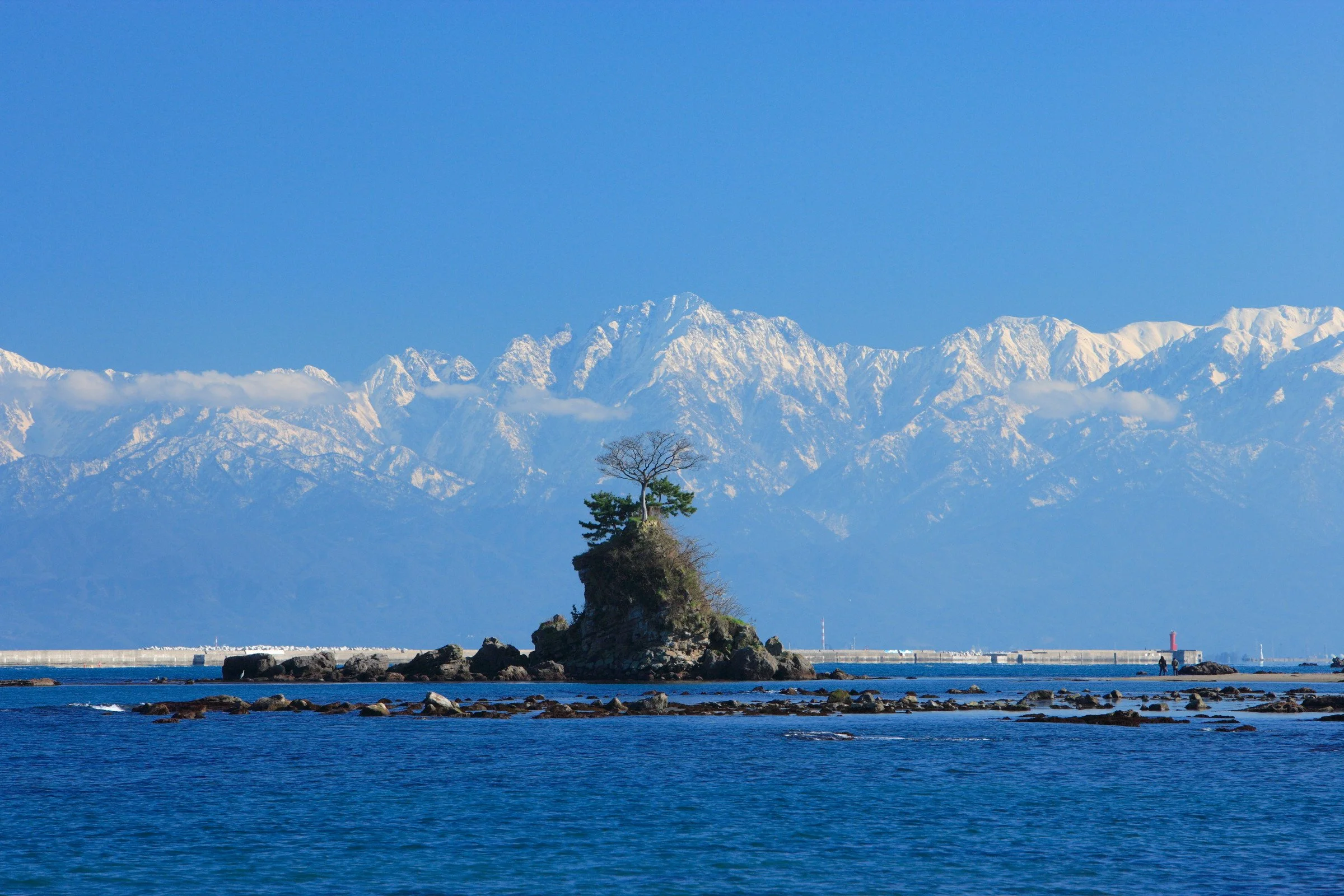
Amaharashi Coast, Himi
What Draws Me to Kintsugi
What keeps drawing me to kintsugi is the pace it asks of me. I’ve realized over time that I’m most at home in work that’s slow and detail-oriented. I spend a lot of time with embroidery, crochet, and knitting, and I’ve found the same kind of quiet focus in birdwatching, where you’re learning to slow down and really pay attention. Even when I cook, I tend to choose recipes that take a few hours. There’s something really satisfying about that kind of steady, gradual progress—watching something come together little by little.
I’m also really drawn to the human side of the work. One of my favorite parts of the process is getting to meet the people behind the pieces. I love hearing how something came into their life—whether it was a gift, a find, or something they’ve had for years. And I genuinely enjoy sharing what goes into kintsugi, especially that moment when it clicks and the repair starts to feel meaningful, not just practical.
When I repair something, I’m stepping into that story in a small but tangible way. I try to approach each piece with care—for both the object itself and the people involved.
If you have a piece you care about, I’d be happy to talk with you about whether it can be repaired.